Scientific research increasingly shapes the policies that affect our lives, which means how it is communicated matters as much as the research itself. It is important to ask the questions that make research meaningful to audiences who are genuinely curious but not yet scientifically literate. That's why, as a journalist, I feel especially motivated to become more involved in scientific and research projects, translating discovery into something the public can access and act on.
I bring a journalism background to this space rather than a scientific one, and I see the two as complementary. My work focuses on translating complex, research into stories that resonate with both expert and general audiences. Below is a selection of my journalistic work in health and science. It remains a recent and ongoing exploration, one I am deeply motivated to keep expanding.
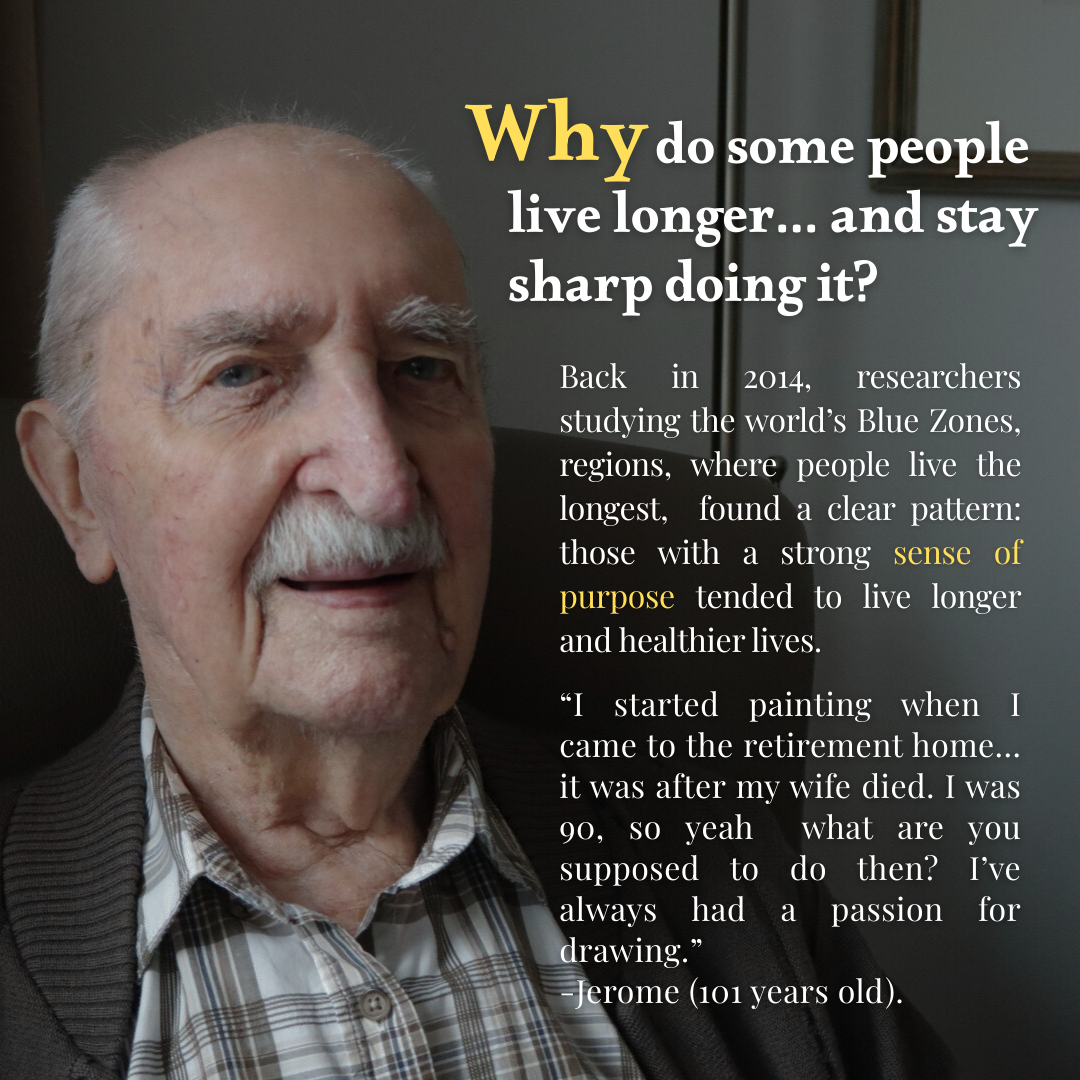
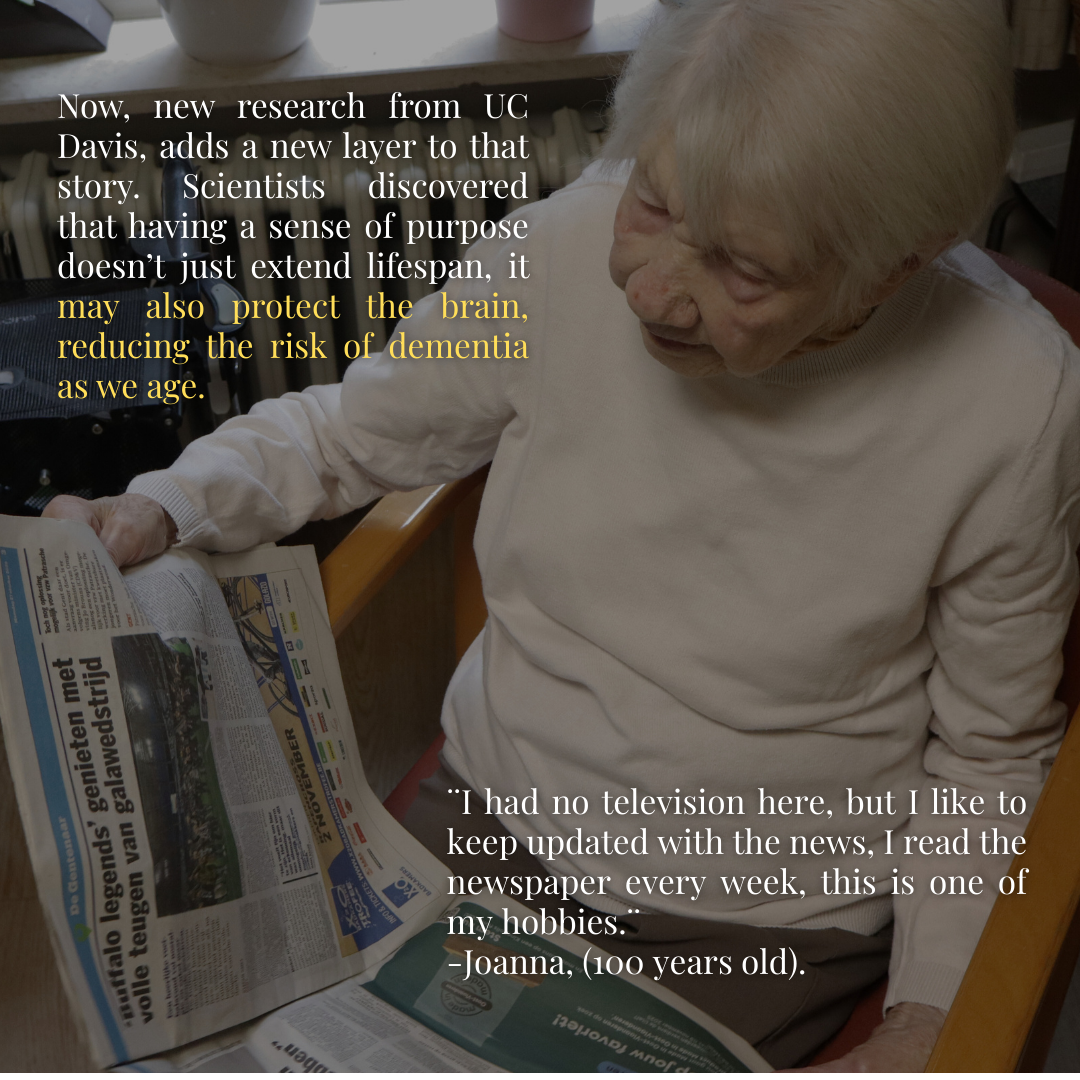
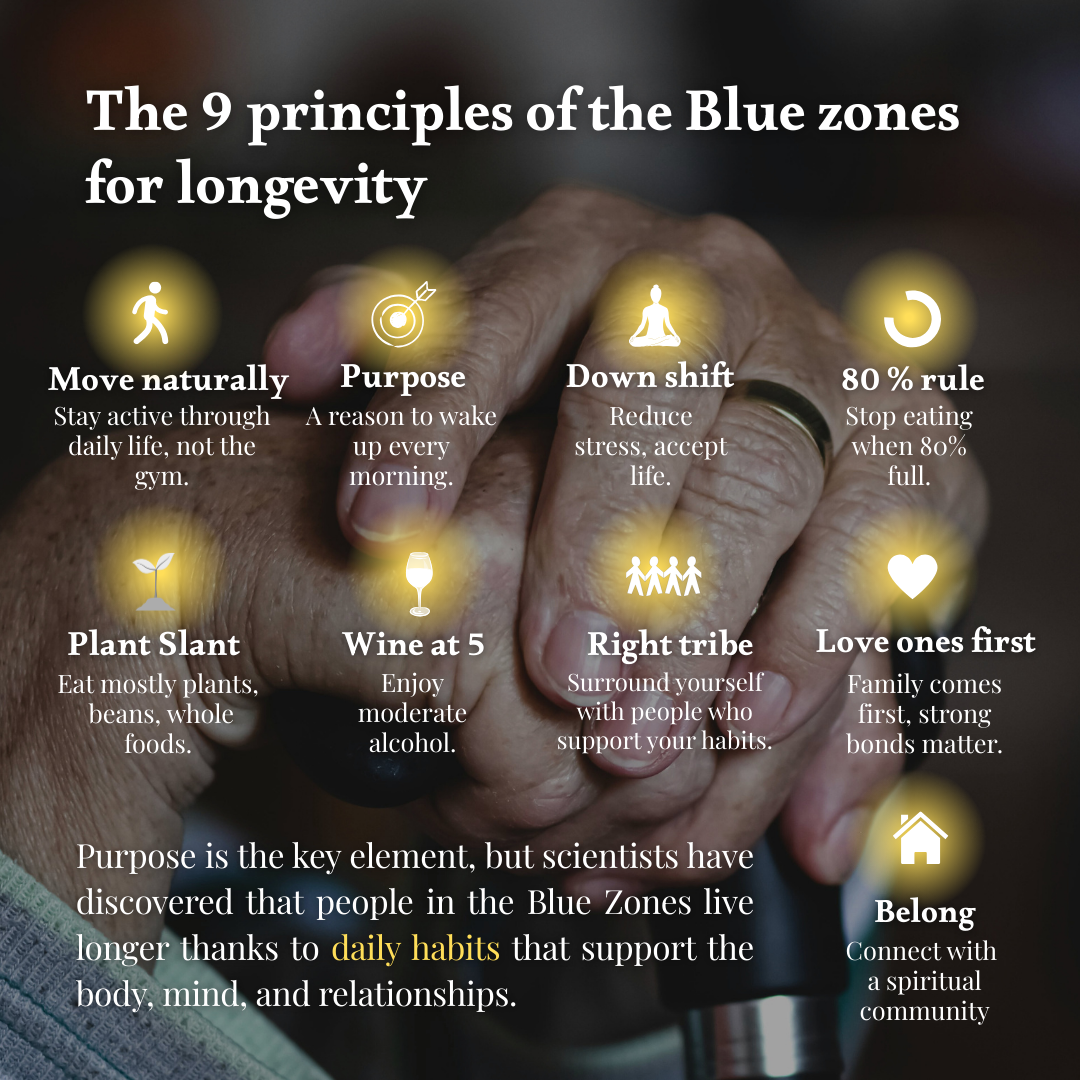
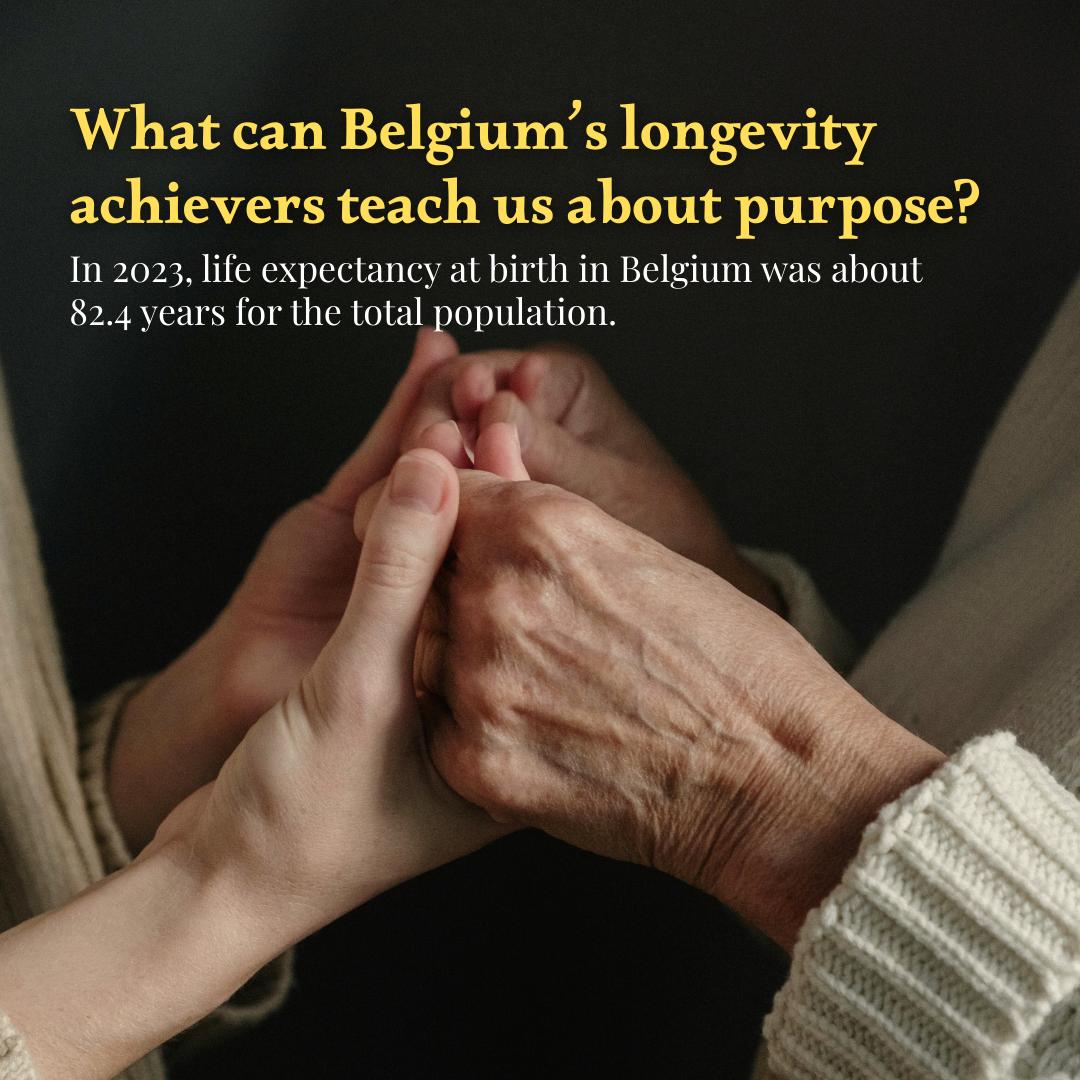
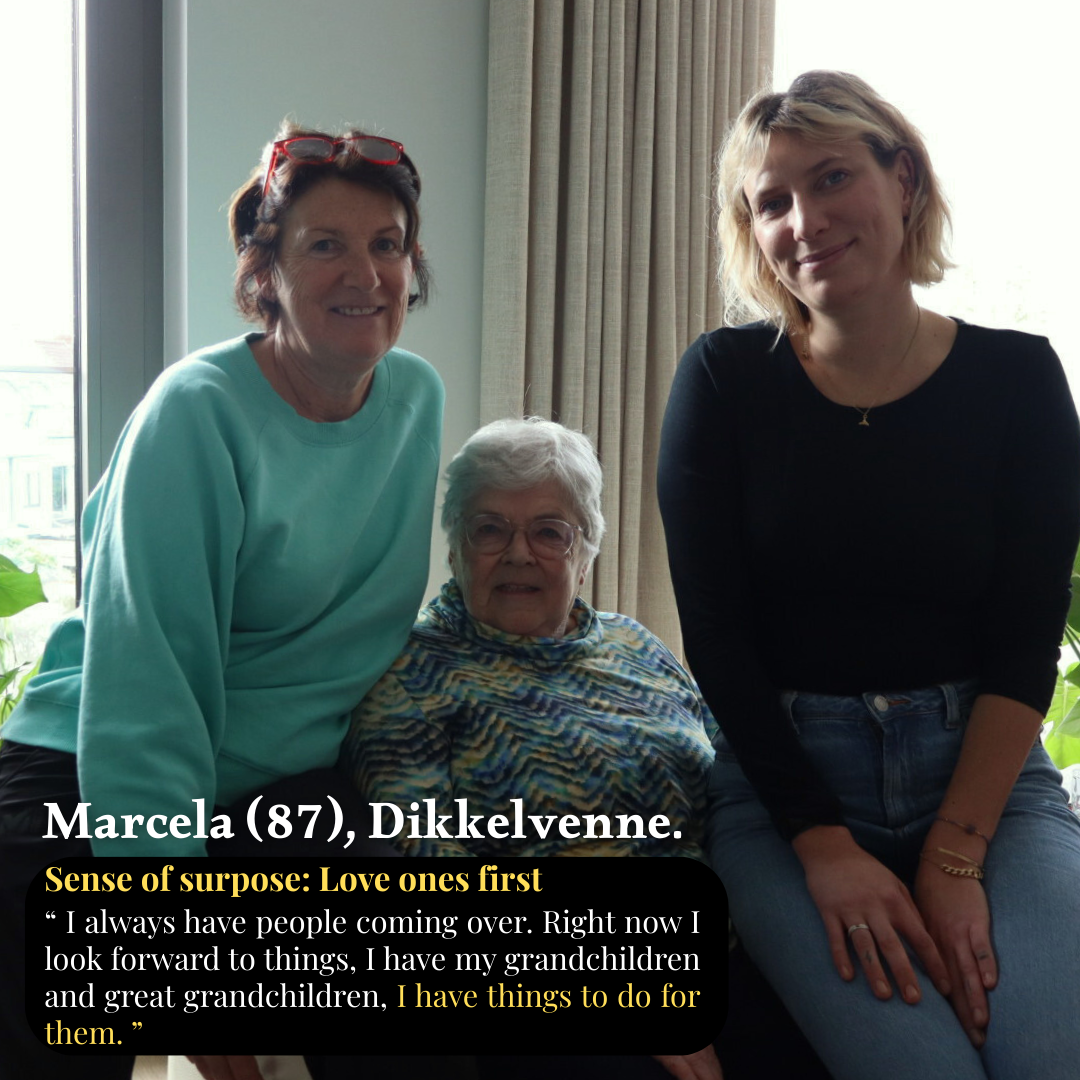
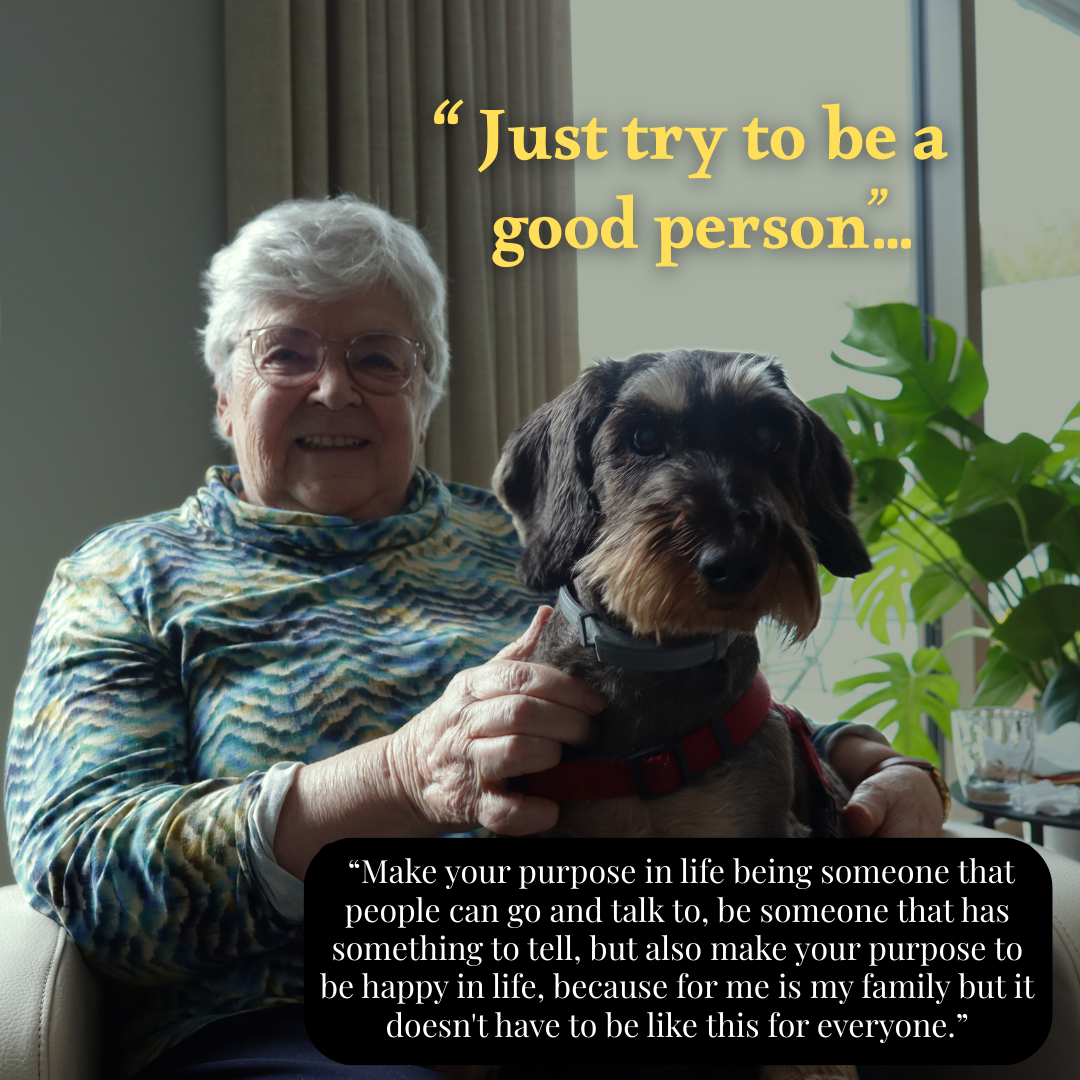
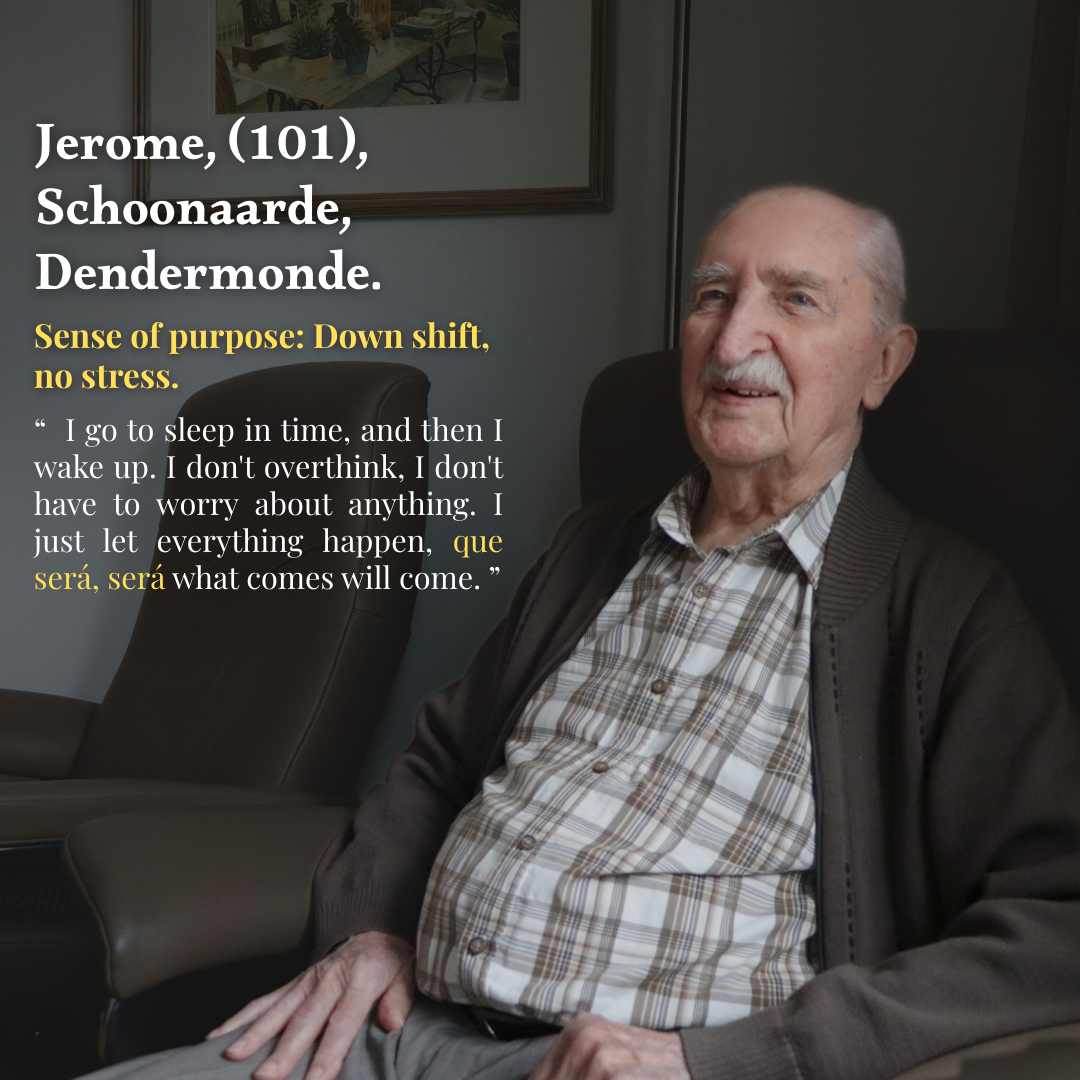
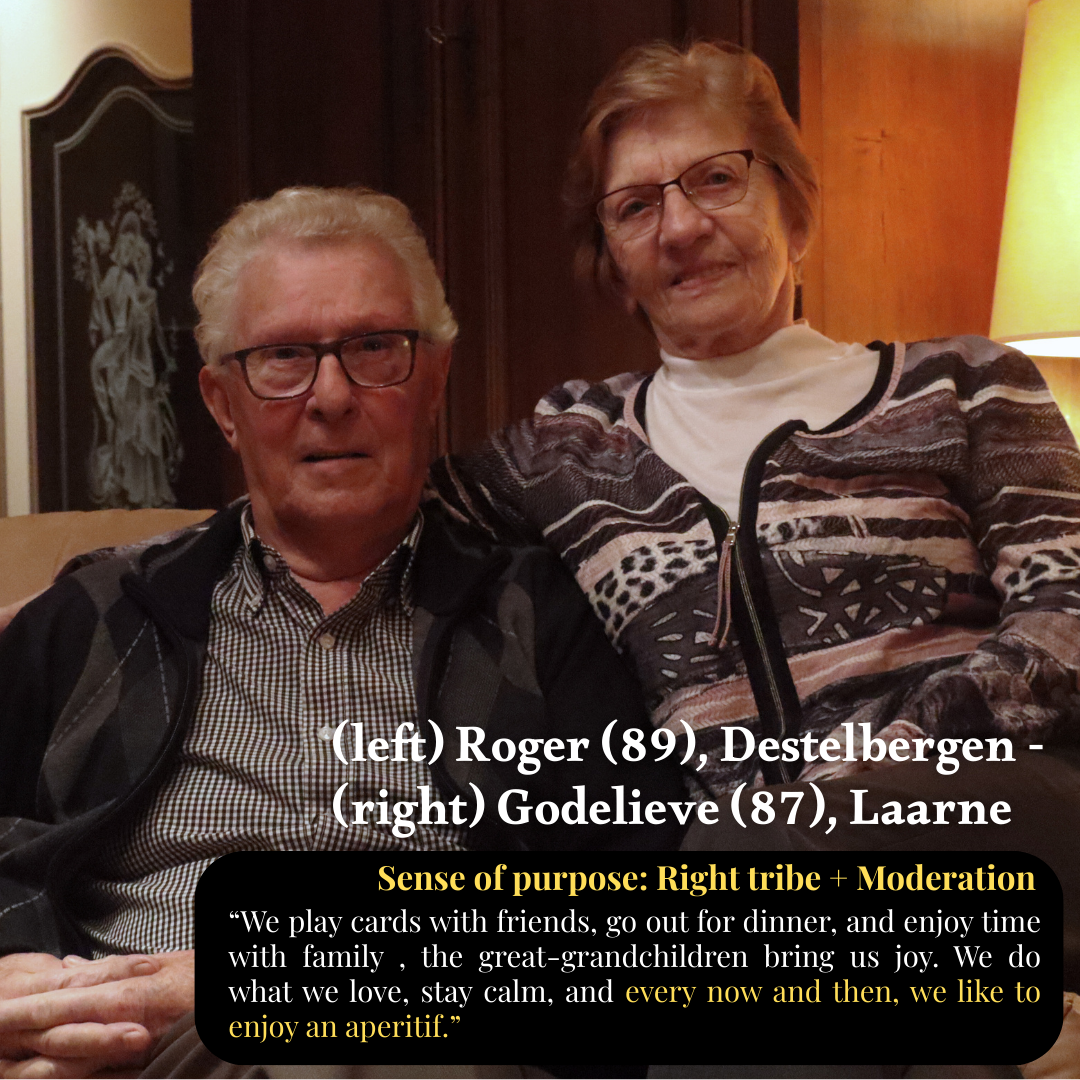
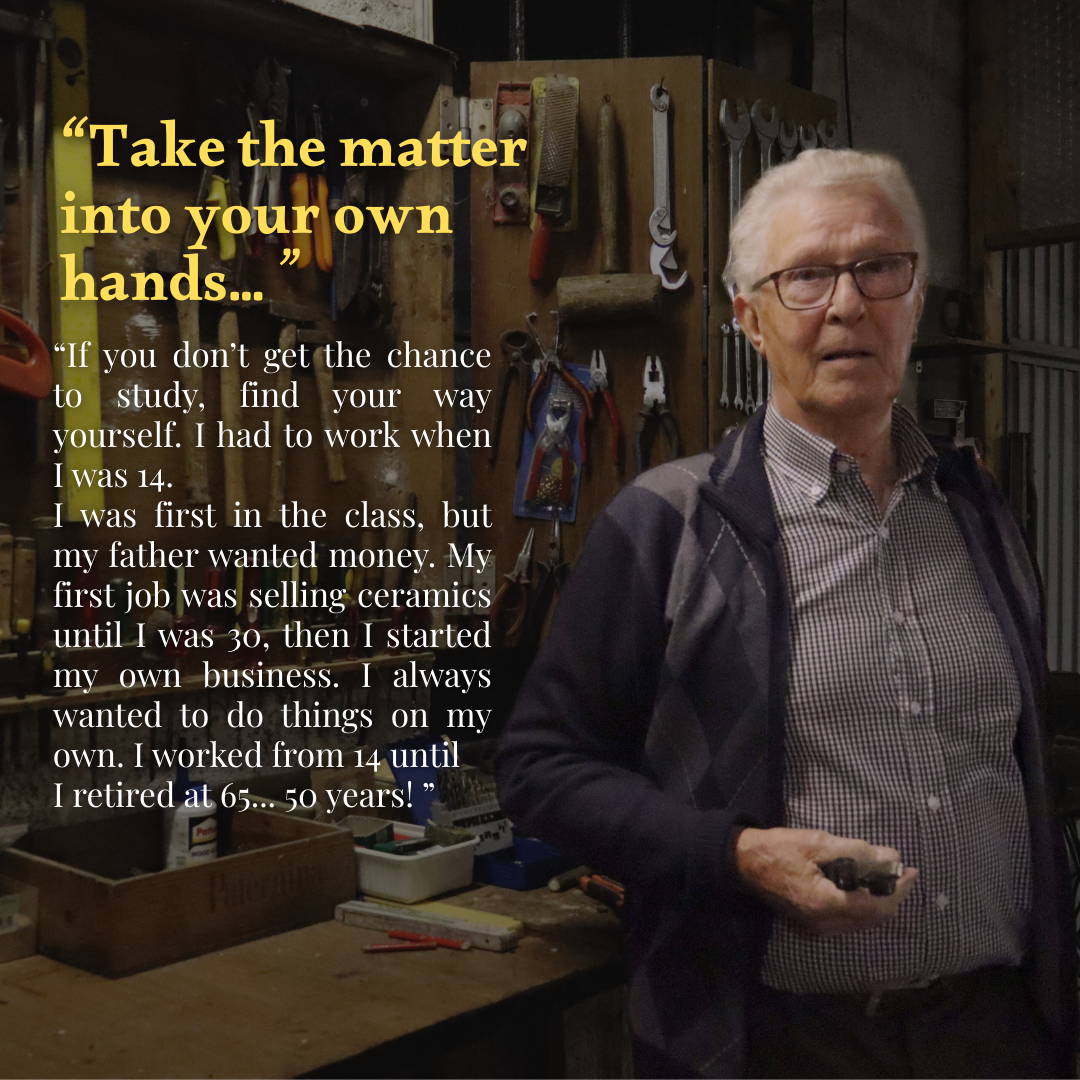
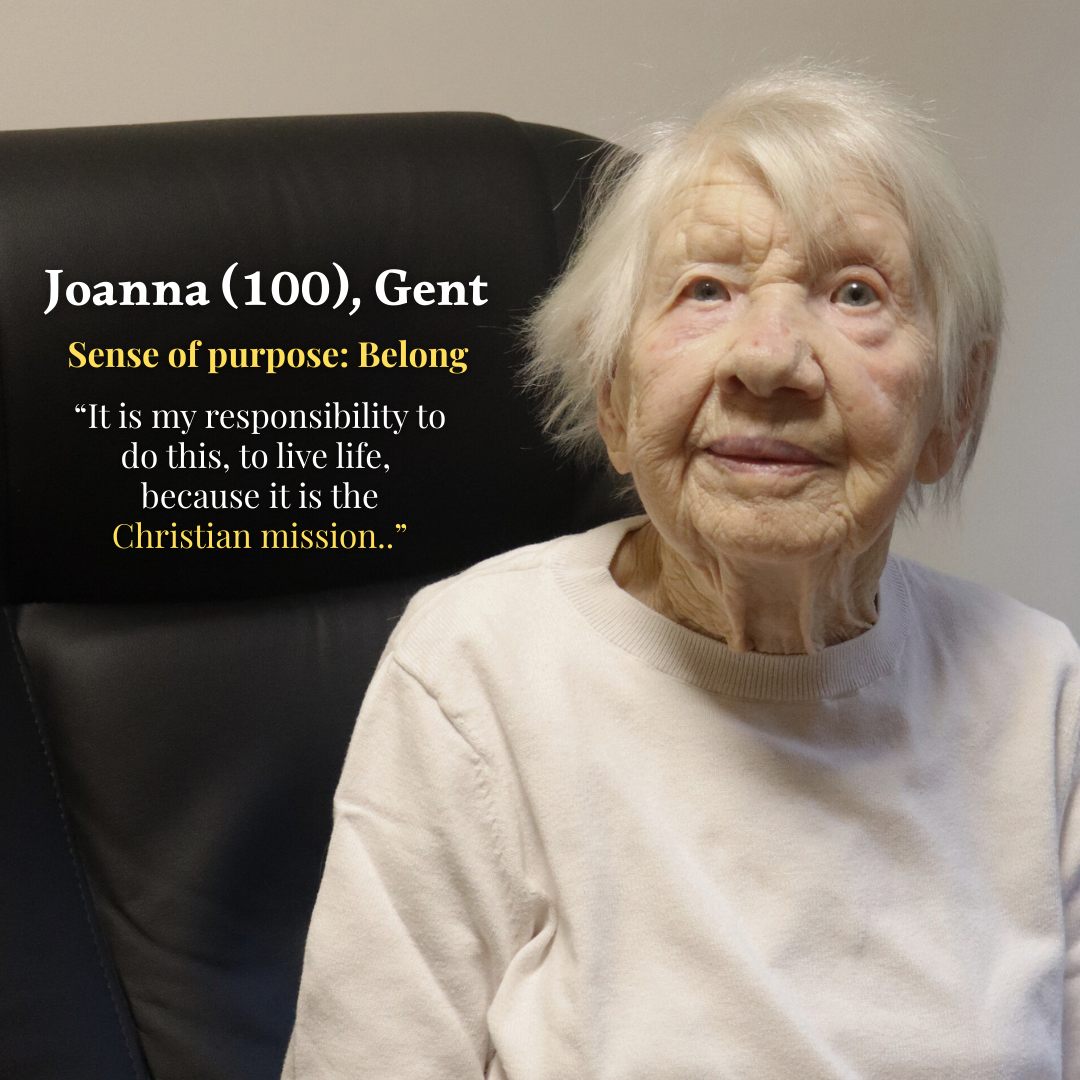
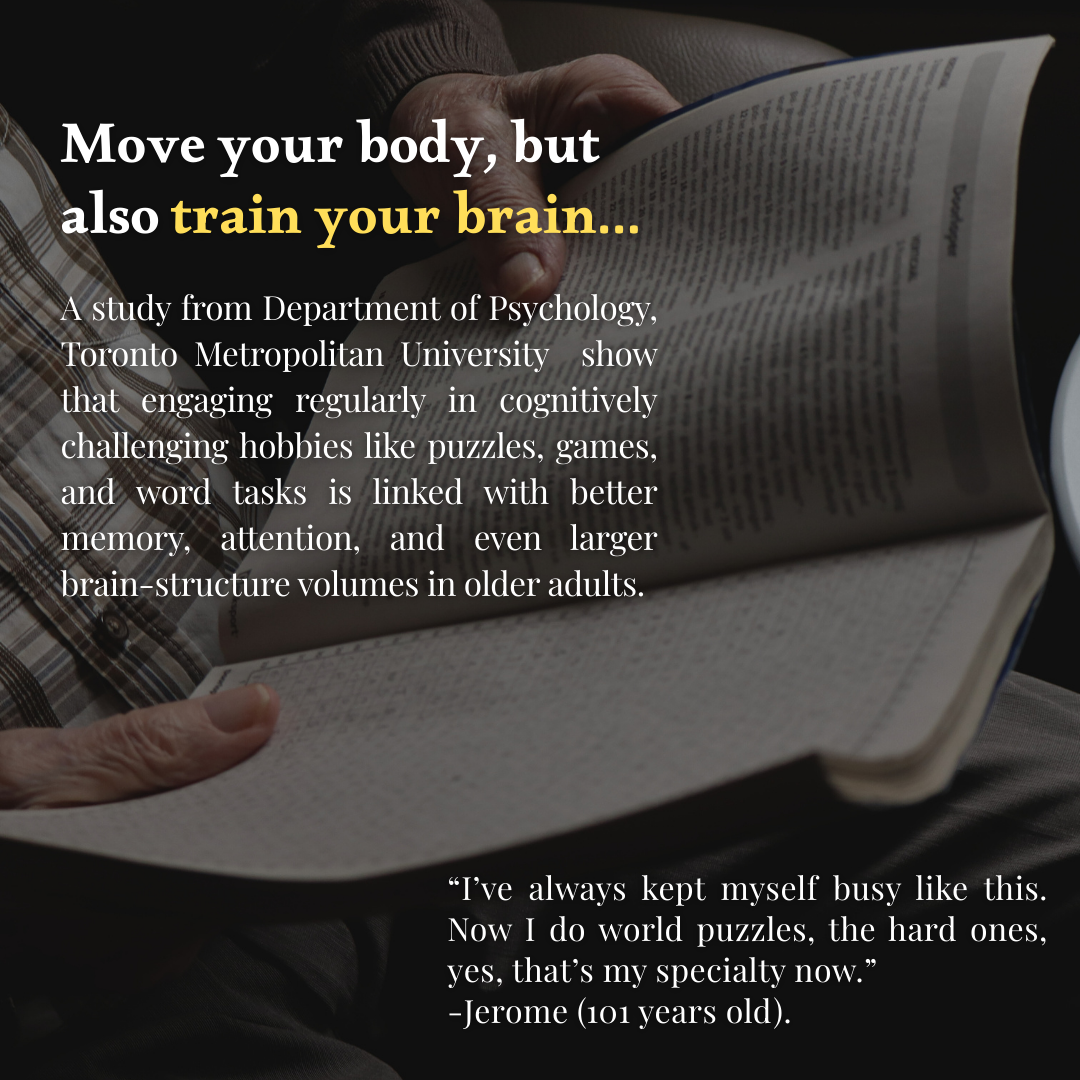
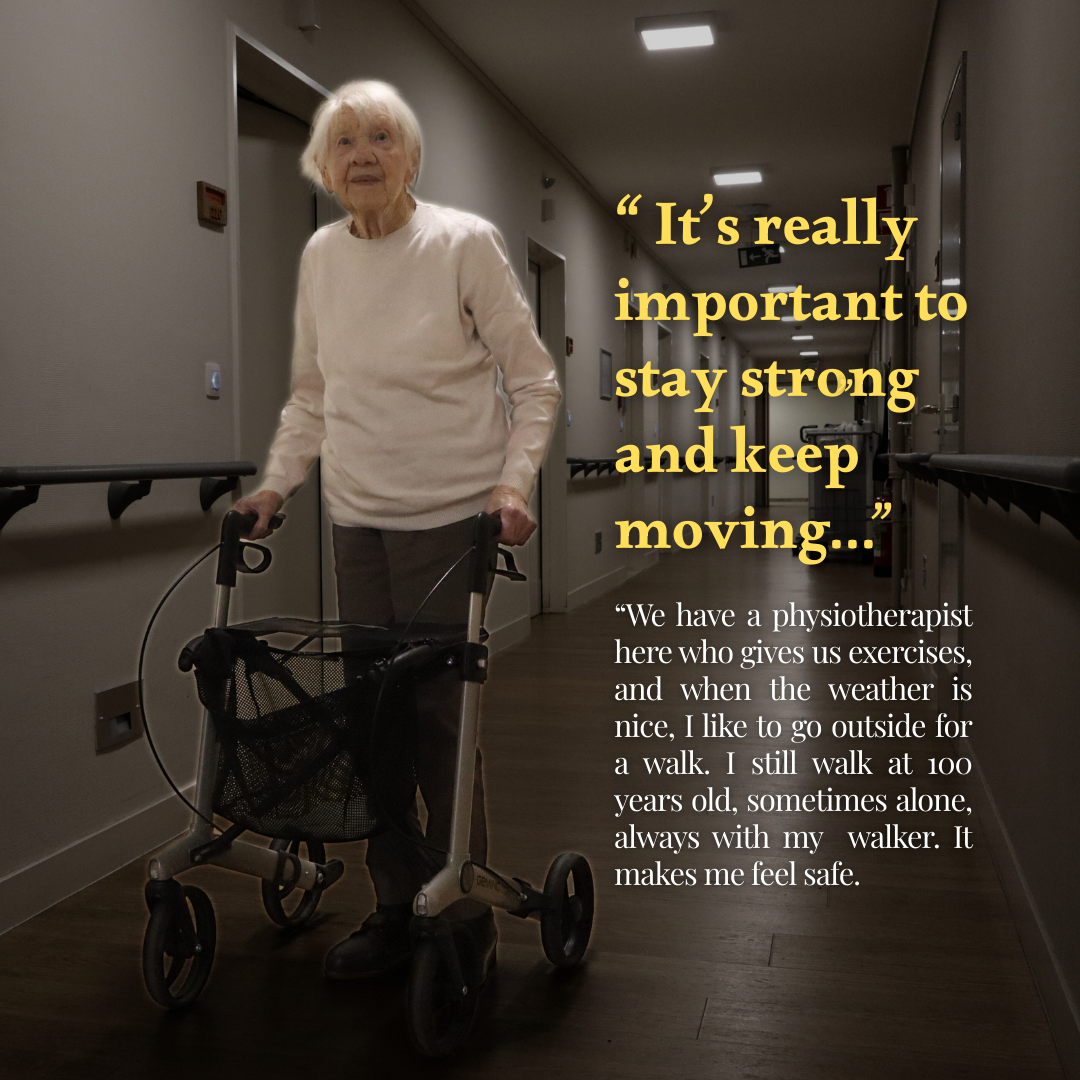
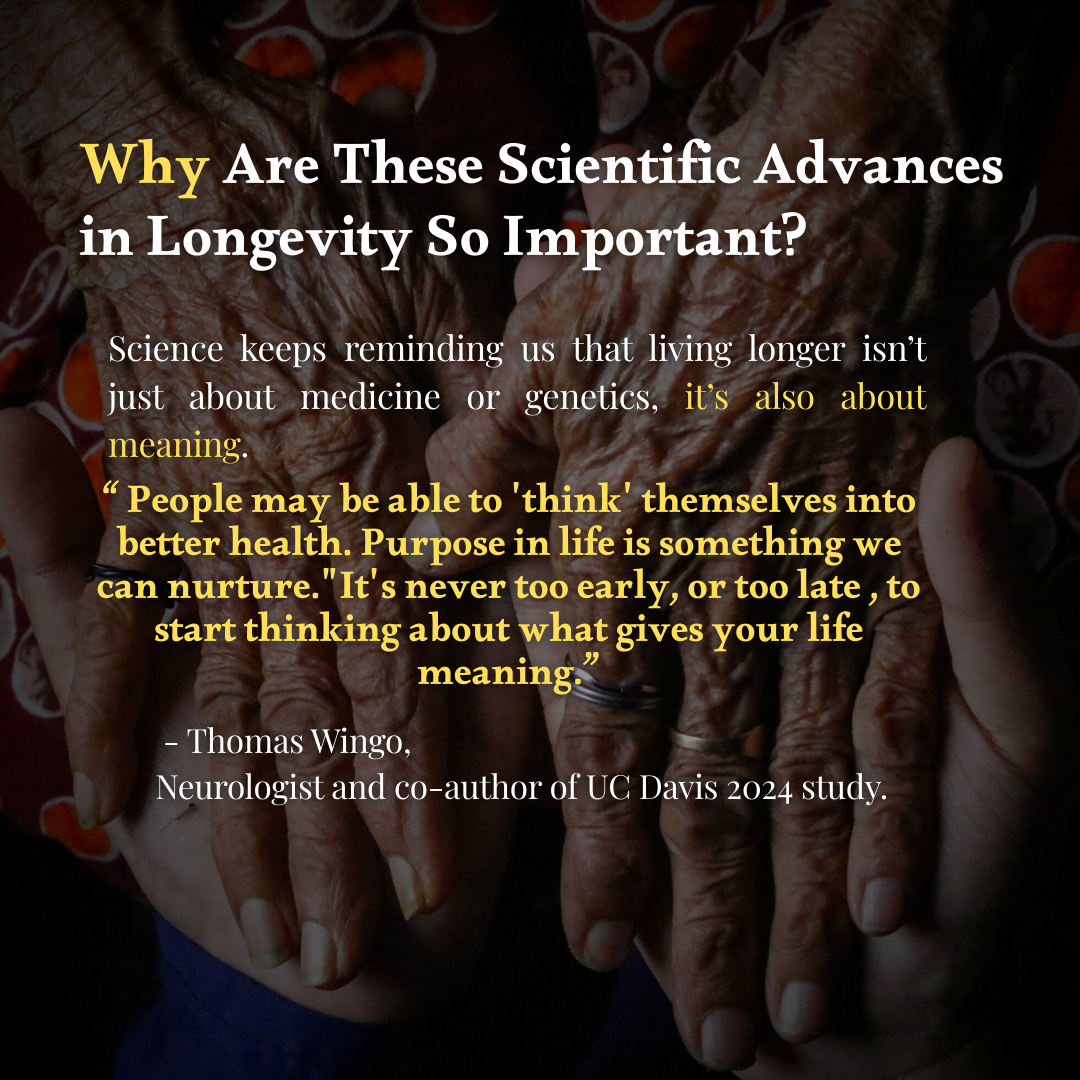
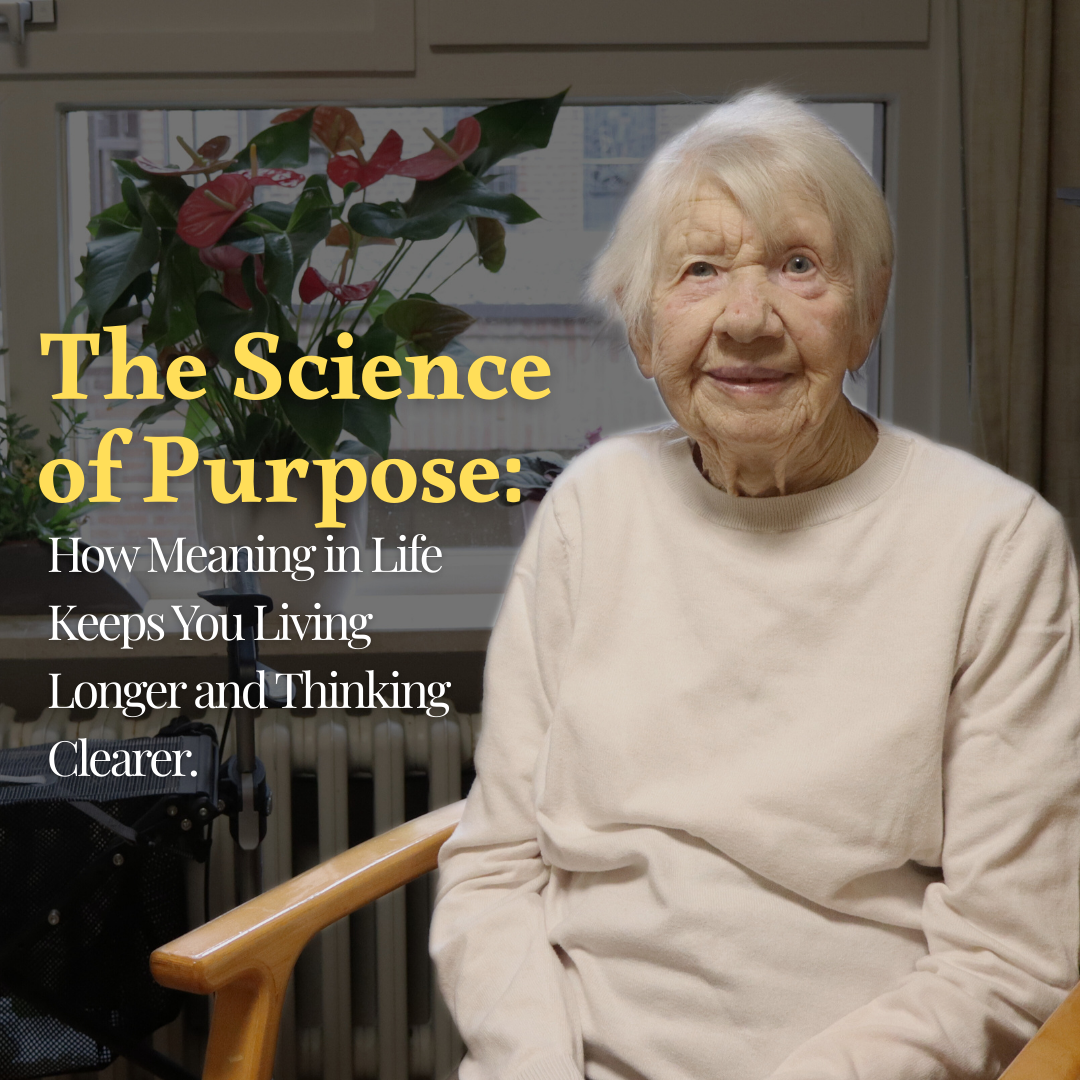
A study from the University of California, Davis (UC Davis) found that a strong sense of purpose does more than extend lifespan, it may also protect the brain, lowering the risk of dementia with age. As a journalist, I wanted to move beyond the data and see what this research looks like in practice, so I set out to explore it firsthand by interviewing centenarians across Belgium, examining their daily routines, the habits that keep them engaged, and the relationships that sustain them. Read more here:

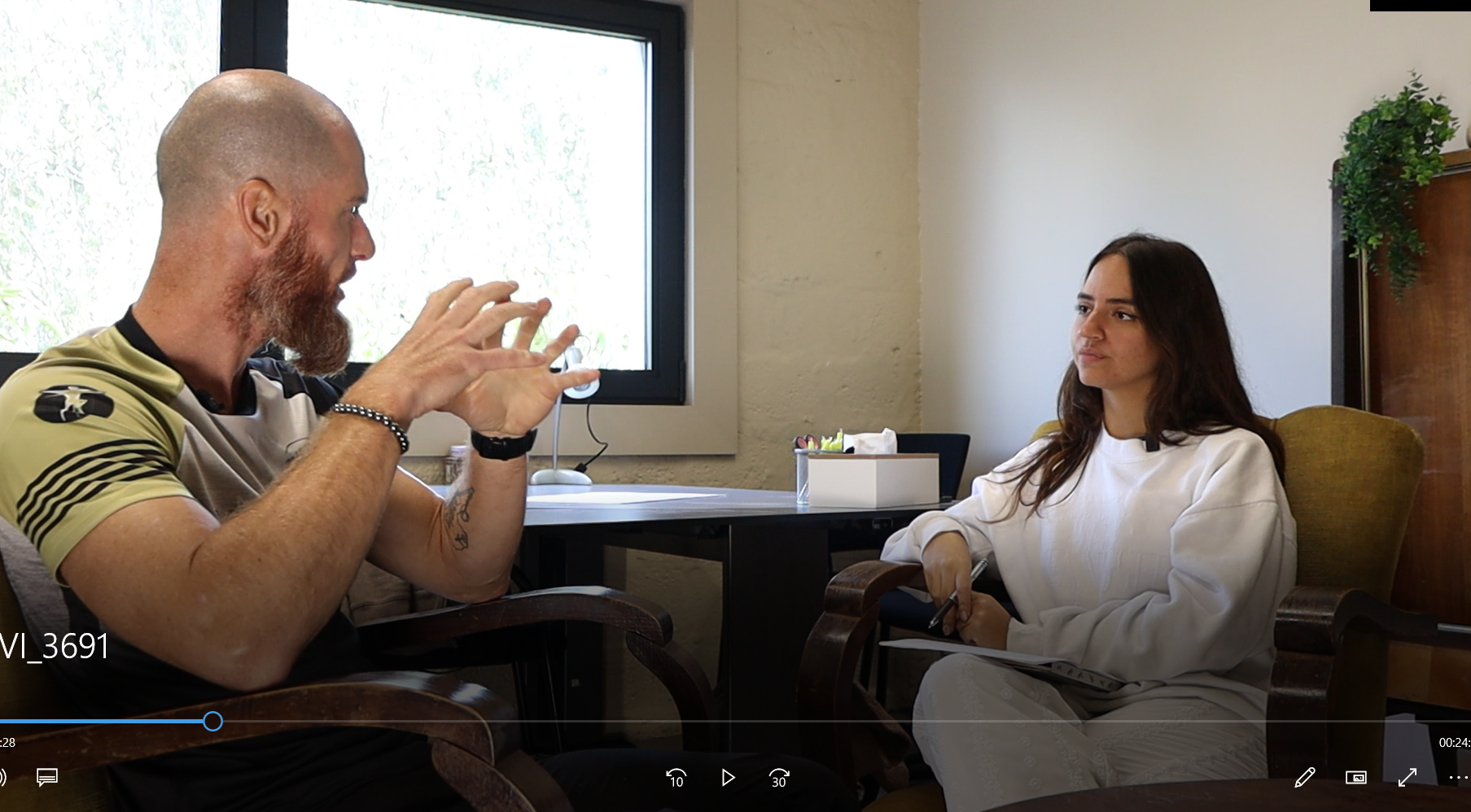
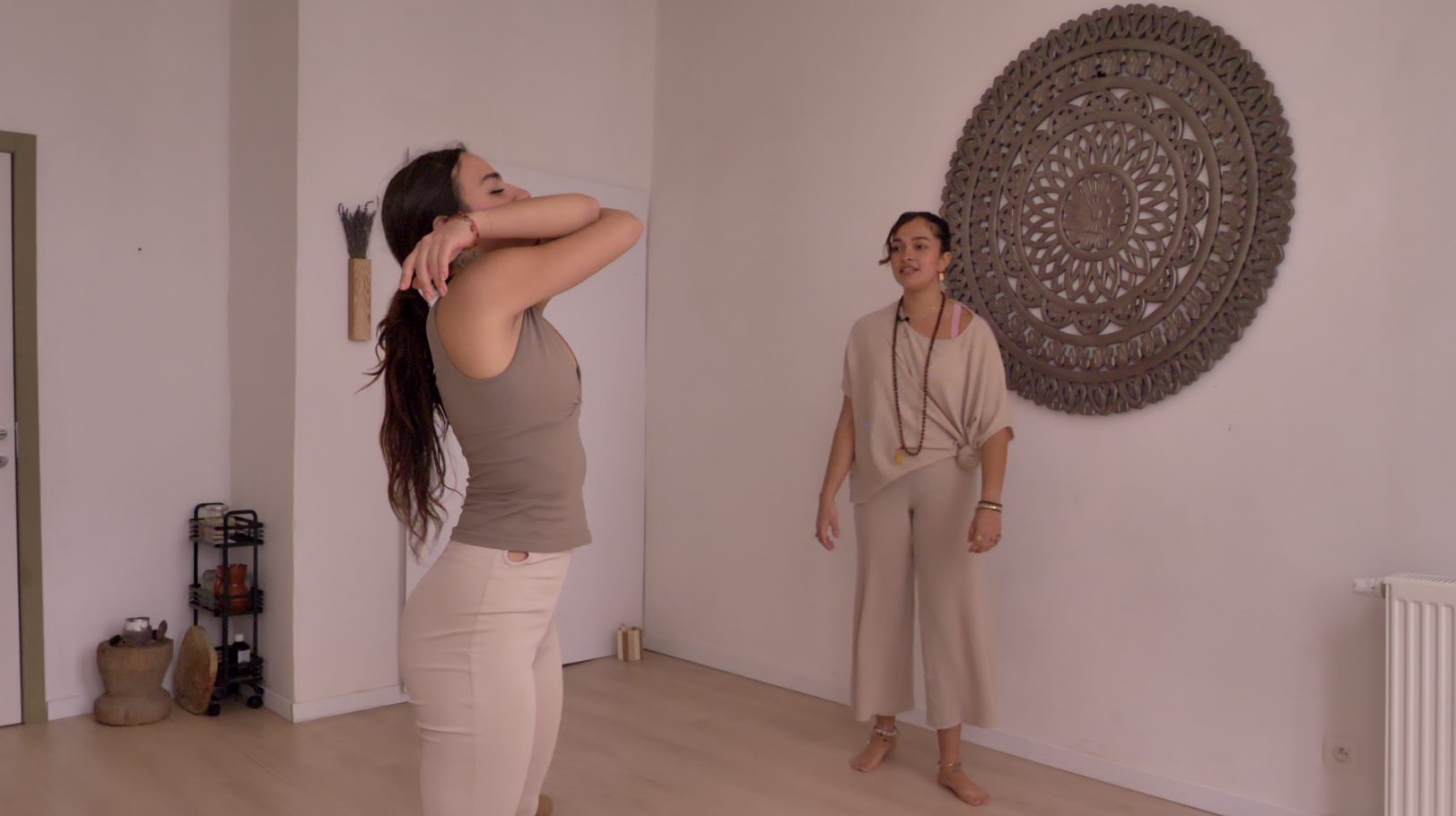
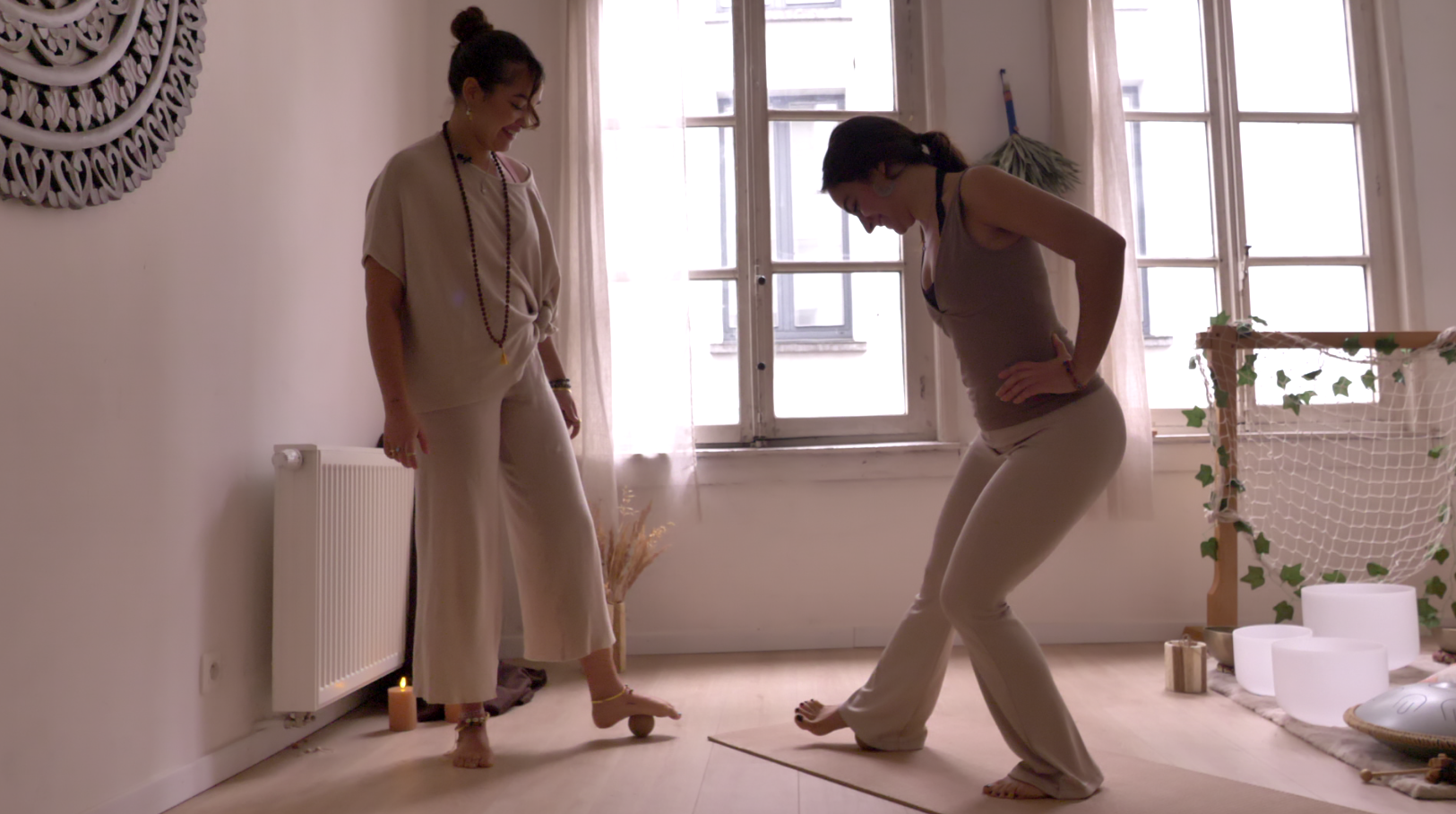
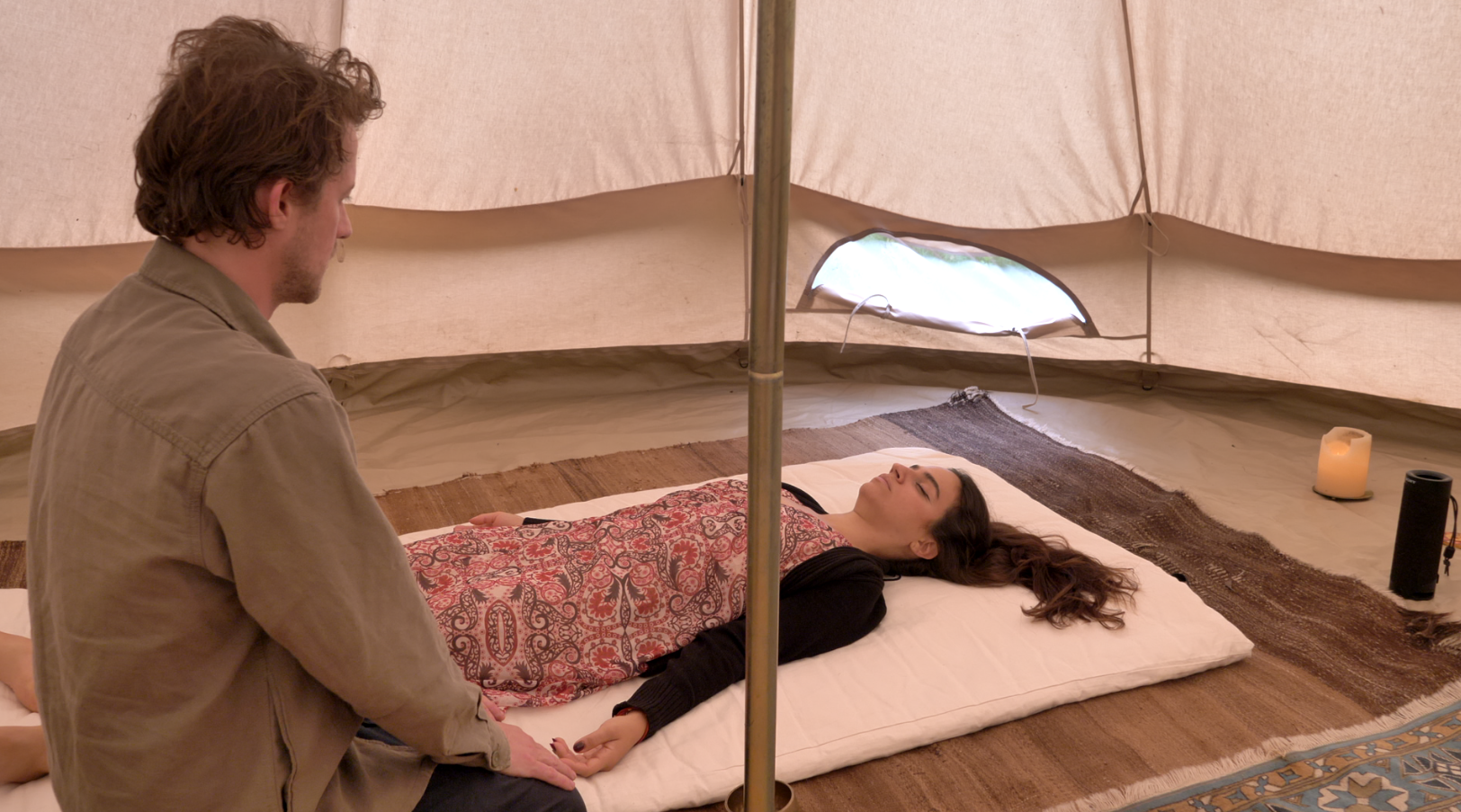
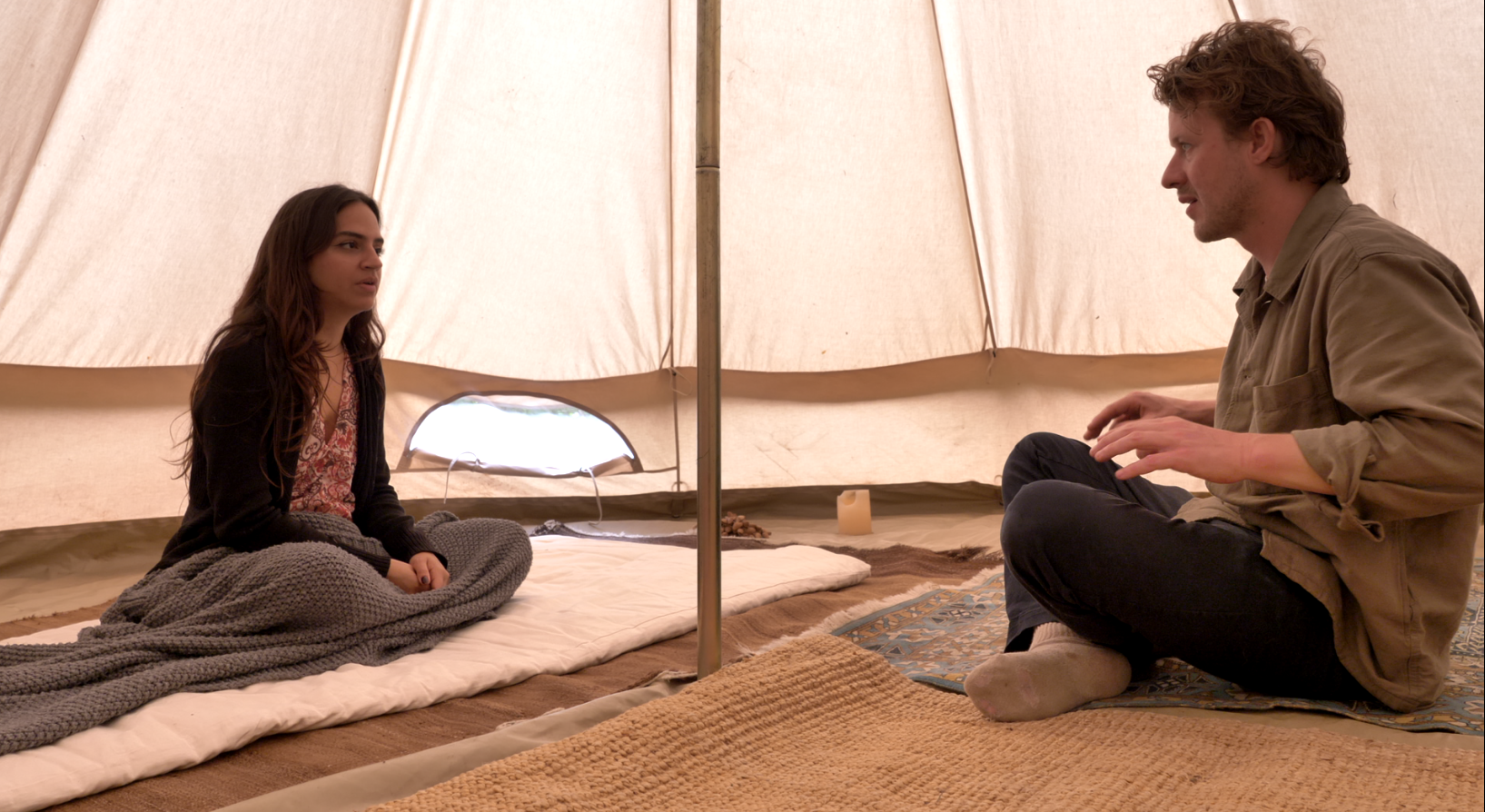
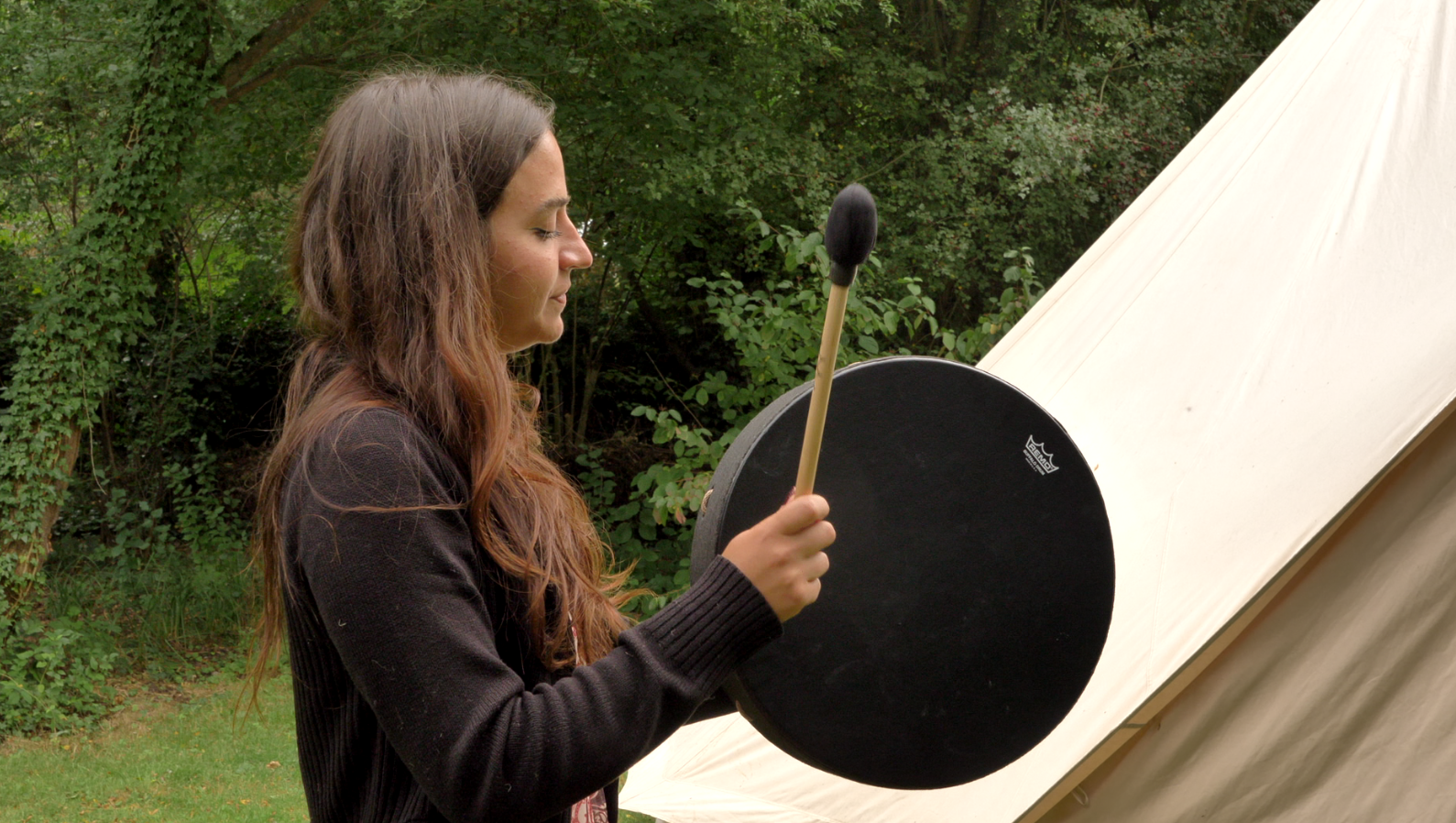
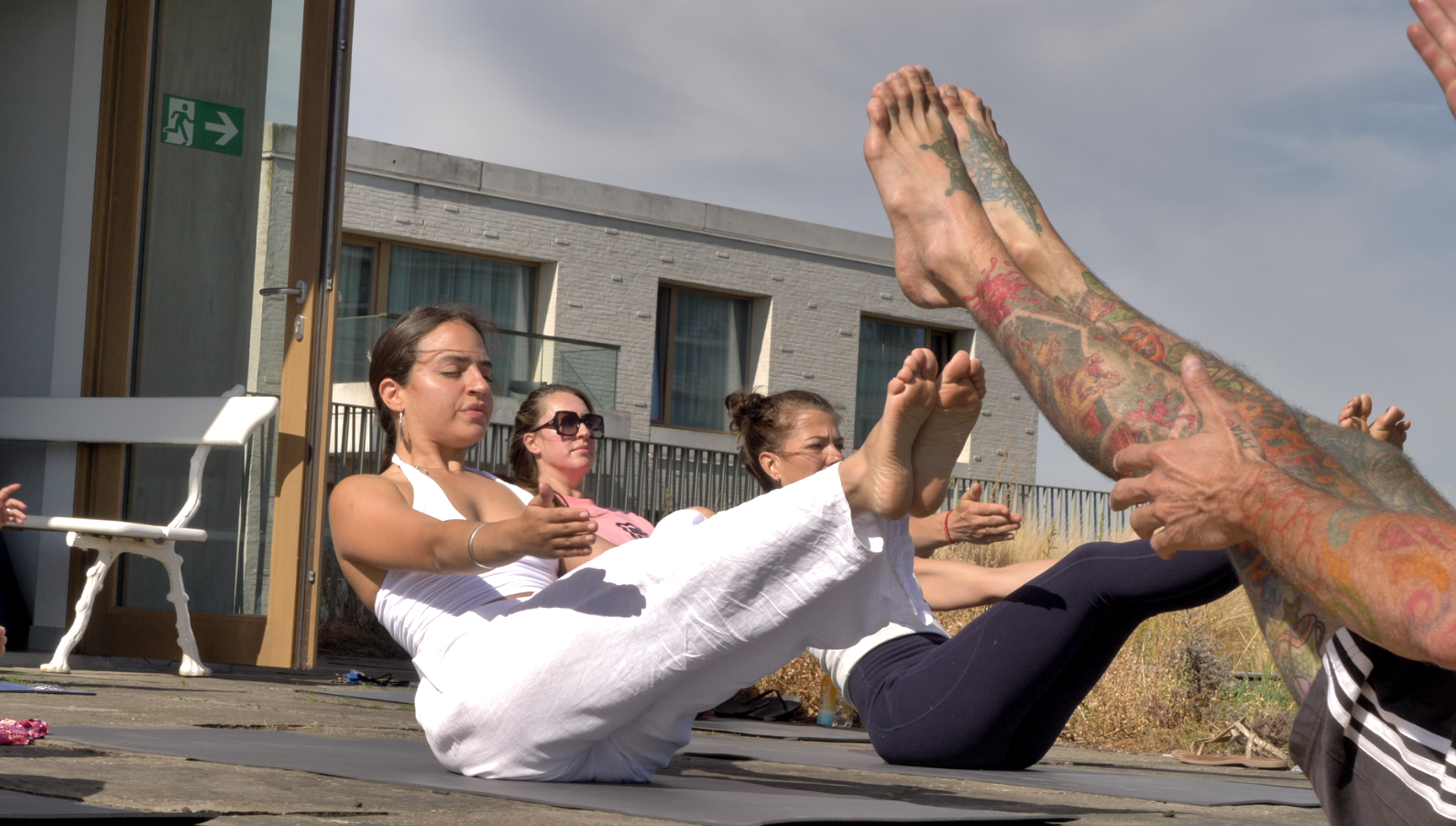
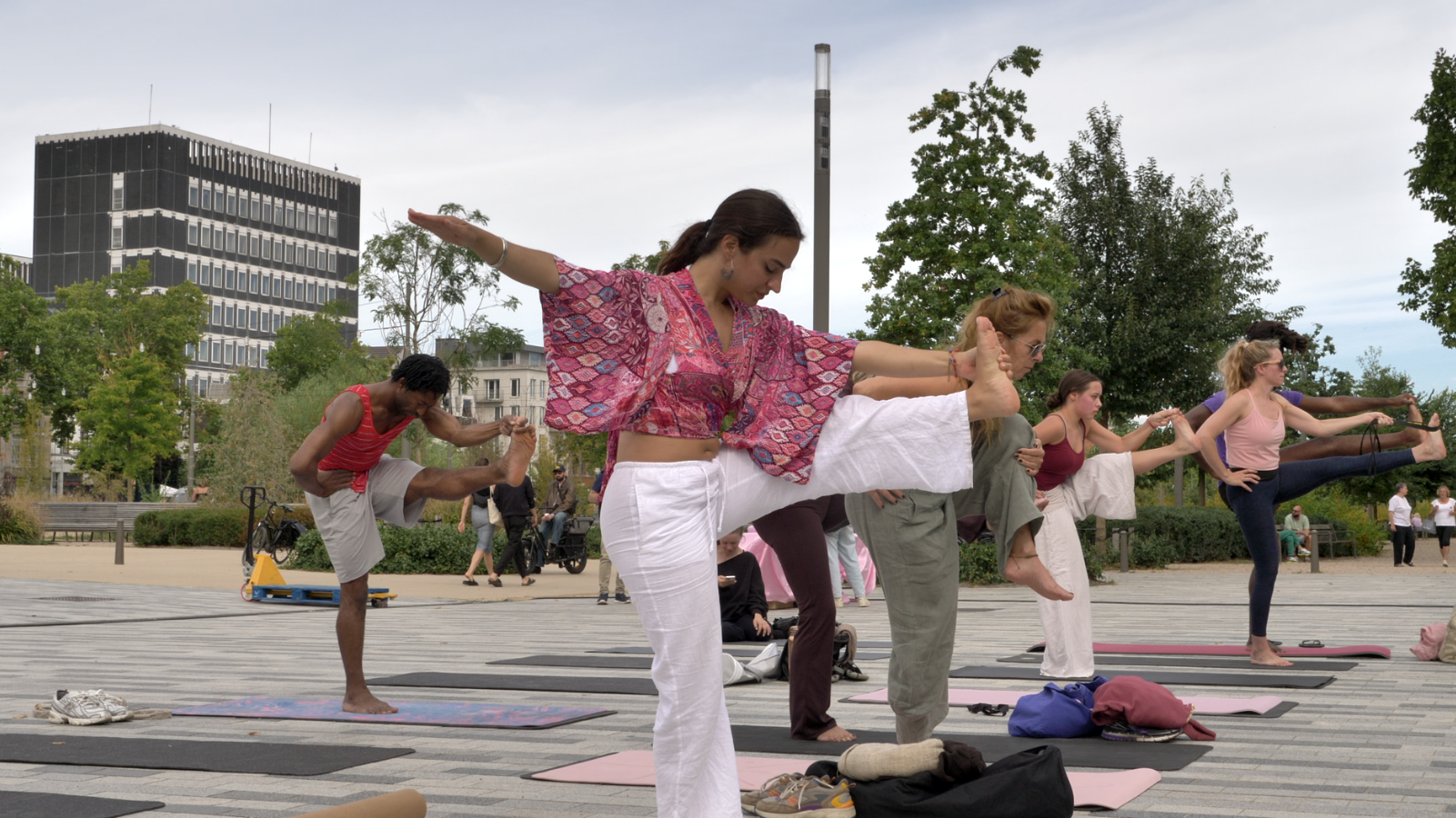
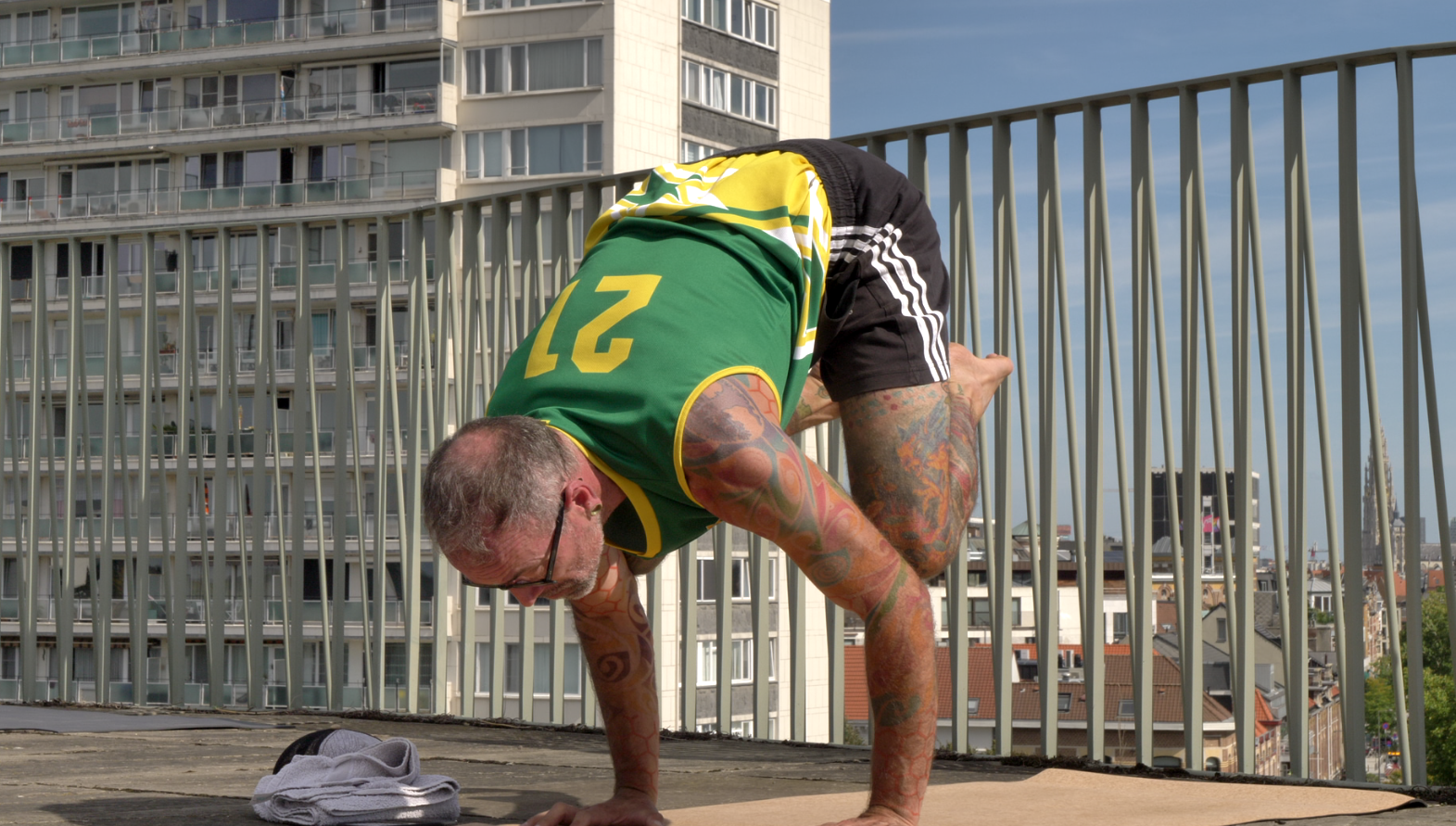
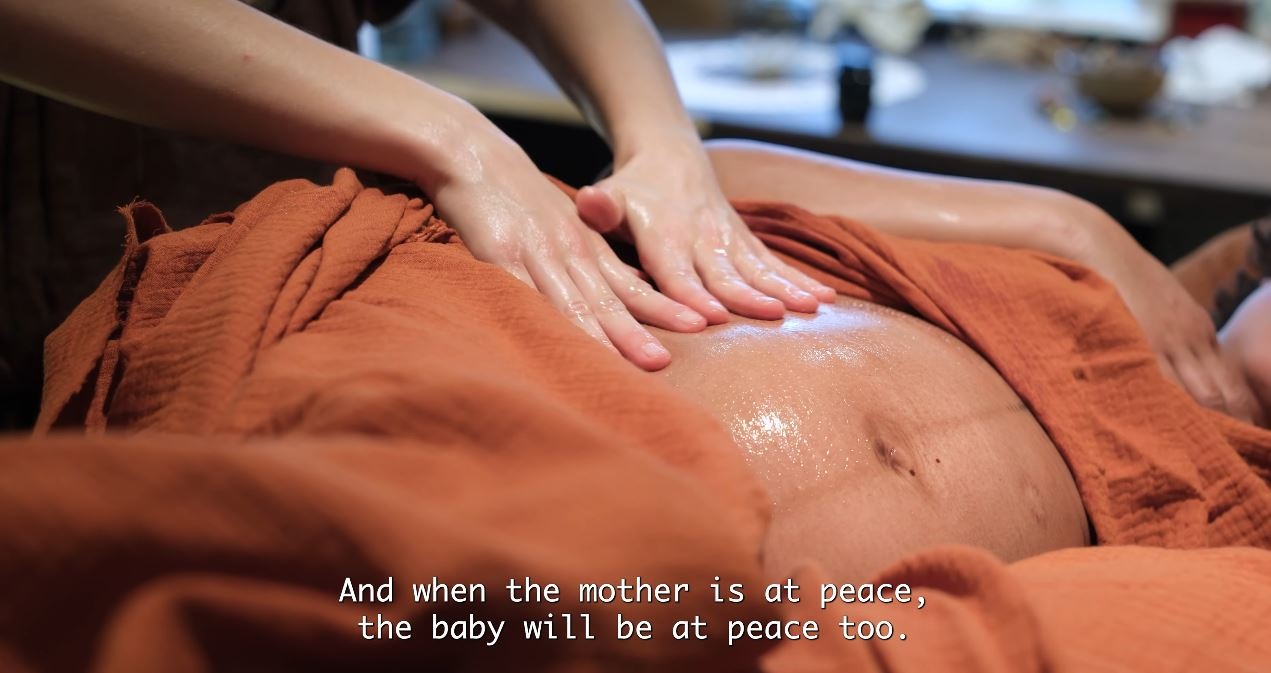
This documentary series investigates the growing body of research behind holistic practices, through interviews with scientists, practitioners, and healthcare professionals working at the intersection of wellness and science. Each episode examines a specific practice, what the evidence supports, where the science remains uncertain, and what that means for the people who rely on these practices daily. The aim is not to validate or dismiss holistic culture, but to hold it to the same standard of scrutiny as any other subject worth reporting on.
The series draws on research in neuroscience and epigenetics, fields increasingly turning their attention to practices once confined to wellness culture, from meditation to breathwork, to understand not only how they affect the brain, but how they may influence gene expression tied to stress and inflammation. In Belgium, institutions such as the Leuven Mindfulness Consortium at KU Leuven are among those investigating these mechanisms directly.
The project is produced end-to-end, including editorial planning, interviews, and final editing, and reflects a broader commitment to translating complex, sometimes contested research into stories that are accessible without being oversimplified.